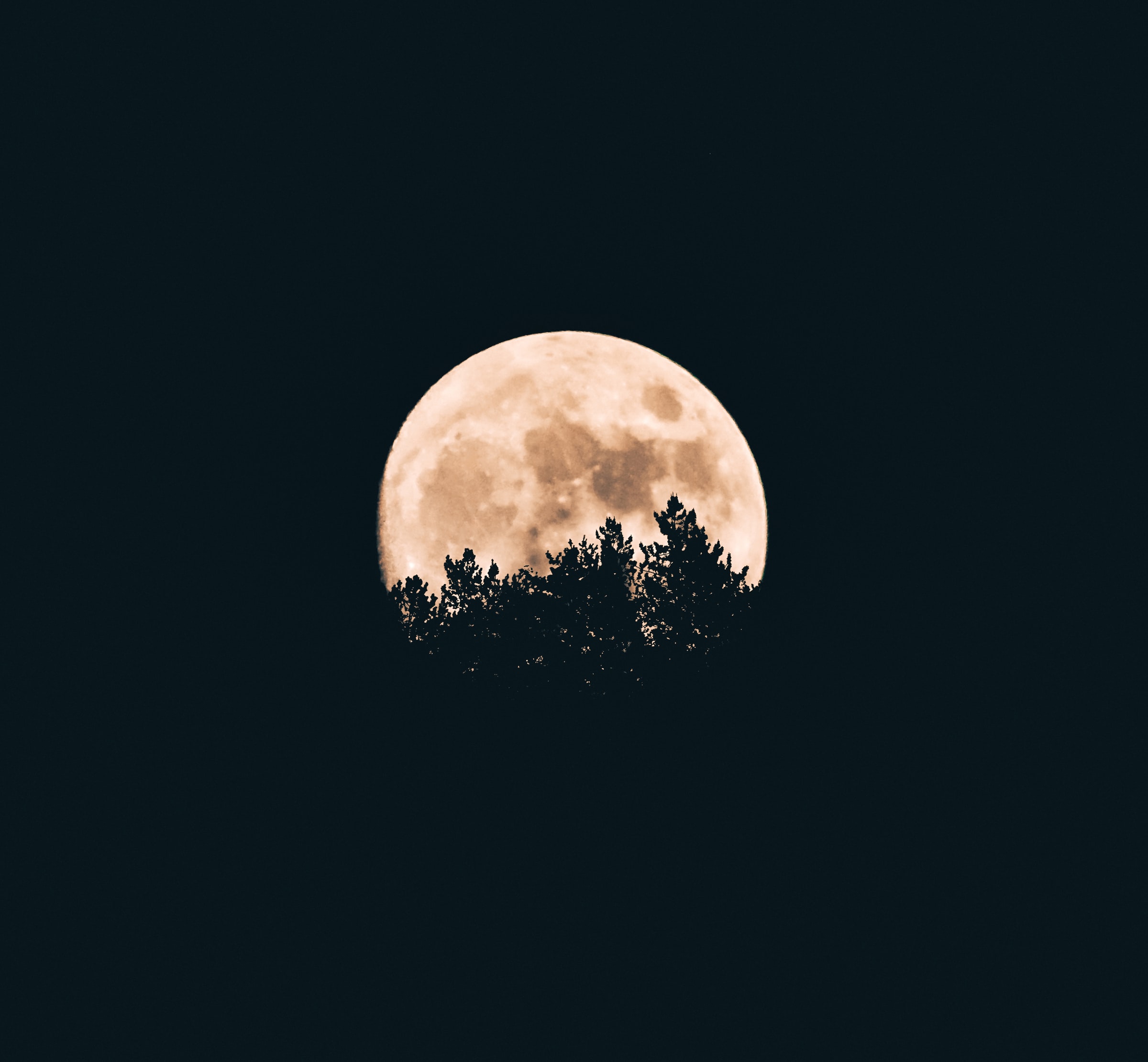
The moon is the most accessible entry point into witchcraft practice that exists.
Not because it’s mystical, or because it controls your emotions, or because pulling cards at the full moon is more powerful than pulling them on a Tuesday afternoon in October; but because it’s always there, always visible, always moving through a cycle that is consistent, predictable, and genuinely useful as a framework for organising intention and attention across a month.
You do not need to believe anything supernatural about the moon to find lunar practice useful. You need to look up occasionally, notice where she is in her cycle, and let that awareness shape how you work with your own energy and intention. That is the whole practice at its most essential. Everything else (the rituals, the spreads, the seasonal overlays) is built on top of that simple act of noticing.
This is the beginner’s guide. By the end of it, you will understand the eight lunar phases, know what each one supports in practice, and have a clear picture of how to begin working with the moon in your own life without overwhelming yourself in the process.
Why the moon?
Before we get into the phases, it’s worth spending a moment on why the moon specifically has been so central to magical practice across so many cultures and so many centuries.
Part of the answer is simply visibility. The moon is the most dramatic and the most consistent natural cycle available to the naked eye. Unlike the sun, whose movement across the year is subtle enough to miss without specific attention, the moon’s transformation from dark to full and back again is impossible to ignore. It’s the original calendar (the word month derives from moon) and for most of human history it was the primary means by which people organised time.
But there is a deeper reason that I think is more useful for the modern practitioner. The moon’s cycle, approximately twenty-nine and a half days from new moon to new moon, maps almost perfectly onto the natural rhythm of human projects and intentions. Long enough to see real movement, short enough to feel contained. Long enough to plant something and watch it grow, short enough to hold a clear thread of intention across the whole cycle without losing it. The lunar month is, in practice, an extraordinarily useful unit of time for anyone trying to live with more intention and less reactivity.
Working with it does not require you to reorganise your life around the moon. It requires you to notice where the moon is and let that awareness inform, gently and flexibly, how you direct your energy.
The eight phases: a practical guide
The lunar cycle is divided into eight phases. You do not need to work with all eight, particularly at the beginning, the new moon and the full moon are the two most commonly worked with, and starting there is entirely sufficient. But understanding all eight gives you a complete map of the cycle and a framework for working with it at whatever level of detail suits you.
The New Moon is the dark of the moon; the sky is empty, or nearly so, and the cycle is beginning again. This is the phase of new intentions, new beginnings, and the planting of seeds. The question the new moon asks is simple: what do I want to call into my life in the coming cycle? Not a vague wish, but a specific, honest intention: the thing you actually want, underneath the surface layer of what you think you should want. Set it clearly. Write it down. Let it take root.
The Waxing Crescent is the first sliver of returning light. The intention has been set, and the first small steps are beginning. This is a phase of gentle momentum; not grand action, but the first tentative movement toward what you named at the new moon. What is the one small thing you can do today in the direction of your intention?
The First Quarter brings the moon to half-light; and often brings resistance with it. This is the phase of challenges and decisions, the moment when the obstacles between you and your intention become visible. First Quarter energy is not comfortable, but it is useful: it shows you exactly what is in the way, which is information you need.
The Waxing Gibbous is the moon building toward fullness, and it is the phase of refinement. You are close to the peak of the cycle’s energy. This is the moment to review, adjust, and prepare; to ask whether your actions are genuinely aligned with your intentions and make any necessary corrections before the full moon arrives.
The Full Moon is the peak; the moon fully illuminated, the cycle at its height. This is simultaneously the phase of culmination and the phase of release. What has come to fruition in this cycle? What are you ready to let go of? These two things (celebration and release) belong together at the full moon, and working with both at once is one of the practice’s most powerful gestures. Write what you are grateful for. Write what you are releasing. Let both be true.
The Waning Gibbous is the moon beginning to retreat, and it is the phase of gratitude and generosity. The peak has passed, and the energy is turning inward. This is a natural time for reflection, for giving back, for acknowledging what the cycle has given you; including the things it gave you that you did not ask for.
The Last Quarter brings the moon back to half-light, this time diminishing rather than growing. This is the phase of deeper release and forgiveness; not just letting go of outcomes, but letting go of the stories, resentments, and patterns that are ready to be relinquished. Quieter and more internal than the full moon release, and often more significant.
The Waning Crescent is the final phase before the cycle begins again; the dark approaching, the moon almost gone. This is the phase of rest, surrender, and emptying. It asks nothing of you except presence and the willingness to let the cycle close. Rest without guilt. Prepare the space for what comes next.
How to actually begin
The most common mistake with lunar practice is trying to work with all eight phases simultaneously from the start. That way lies overwhelm, and overwhelm leads to abandonment, and abandonment leads to the vague guilty feeling that you should be doing something you are not.
Start with only two phases: the new moon and the full moon.
At each new moon (find the date in a moon phase app or a simple online search) sit down with your journal and write one clear intention for the coming cycle. Not a list. One thing. The most honest, specific answer you can give to the question: what do I most want to call in right now?
At each full moon, approximately two weeks later, return to what you wrote. Acknowledge what has moved, however slightly. Write what you are releasing, one thing you are consciously choosing to let go of as the energy begins to wane. Then put it down and let the cycle continue without you managing it.
That is a complete lunar practice. Two intentional moments per month, each taking no more than fifteen minutes, each grounding you in the rhythm of the cycle and in the habit of honest self-examination that is the foundation of everything else this practice offers.
Once that rhythm is established, once new moon and full moon feel like natural anchors rather than additional obligations, you can begin to notice and work with the phases between. But not before. The foundation comes first.
A note on getting it perfect
The moon does not wait for you to be ready. The new moon arrives on the day it arrives, whether you have a candle and a clear intention, and a beautiful journal, or whether you are exhausted and distracted, and writing in the notes app on your phone while sitting in your car.
The phone notes are fine. The exhausted, distracted version of the practice is fine. A two-line intention written quickly and honestly is worth infinitely more than a perfectly constructed ritual that never happened because the conditions were not right.
The moon keeps its rhythm whether you are paying attention or not. The practice is simply the decision to pay attention, in whatever form is actually available to you, on the day it is actually available.
Start there. The rest follows.