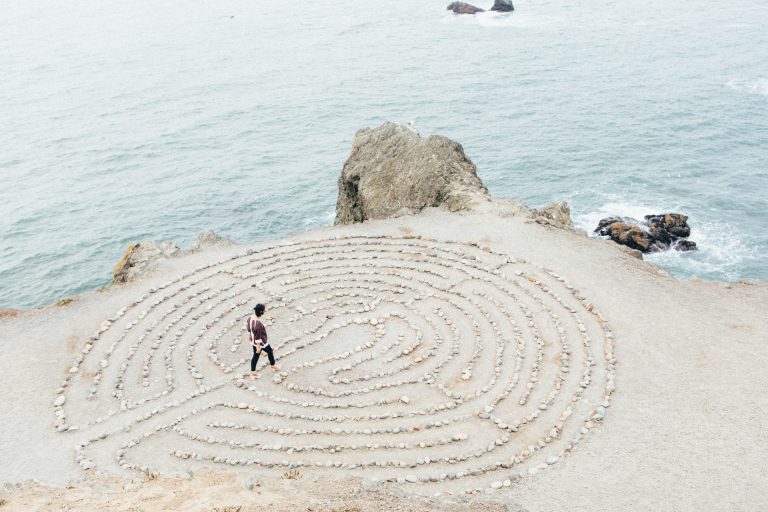
I want to talk about something that I think quietly puts a lot of people off witchcraft before they have really begun.
Not the fear of it. Not the cultural baggage, or the religious discomfort, or the worry about what other people will think. Those are real, and they deserve their own conversation. What I want to talk about today is the aesthetic: the particular visual language that witchcraft has developed on social media over the last decade, and the way it functions less as an invitation and more, for many people, as a closed door.
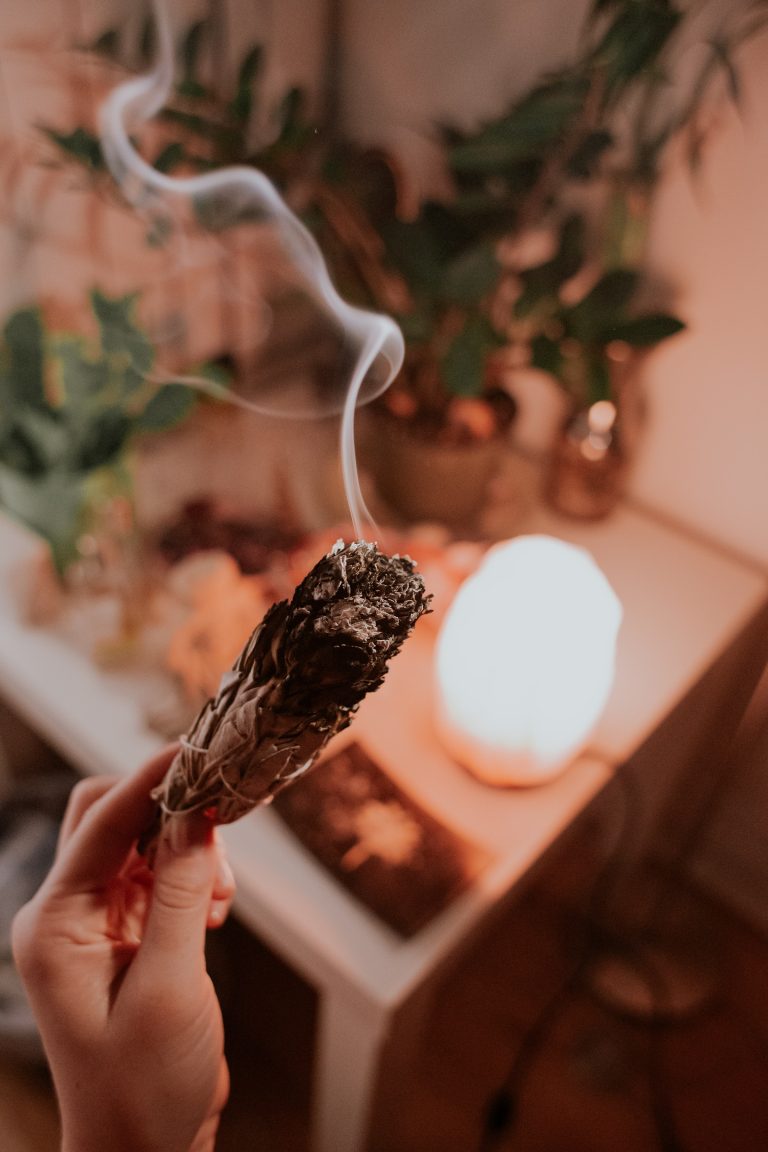
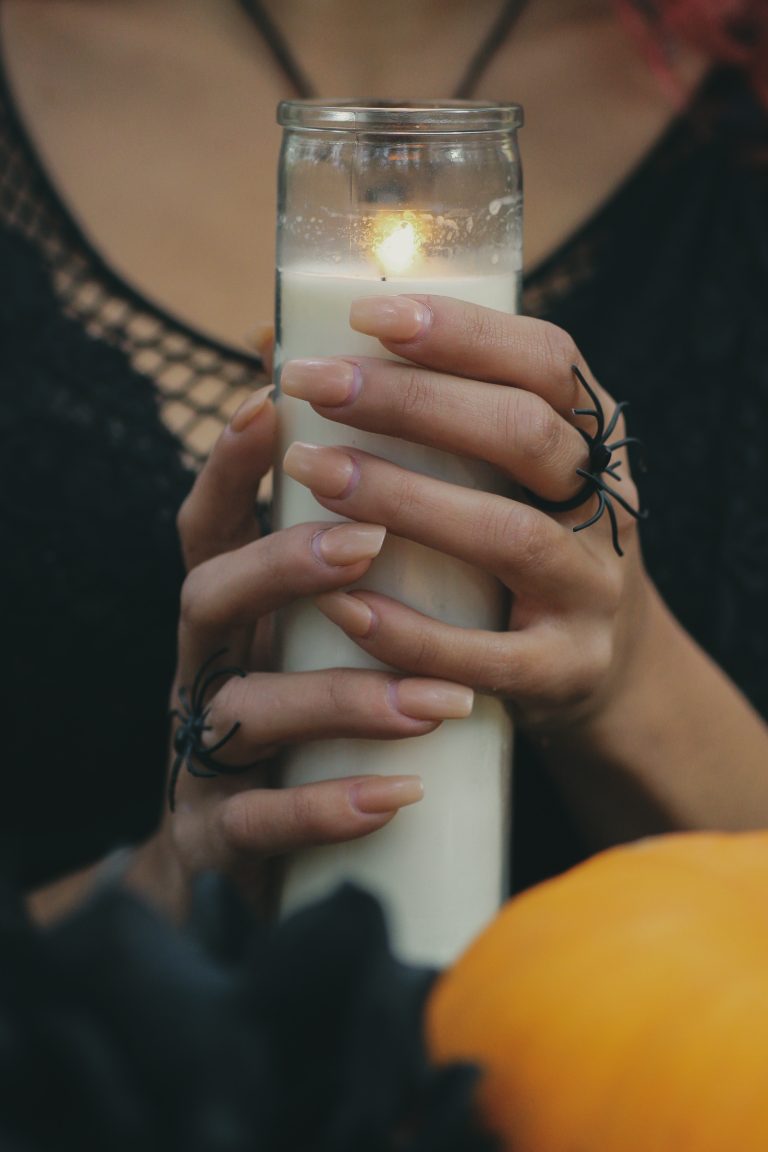
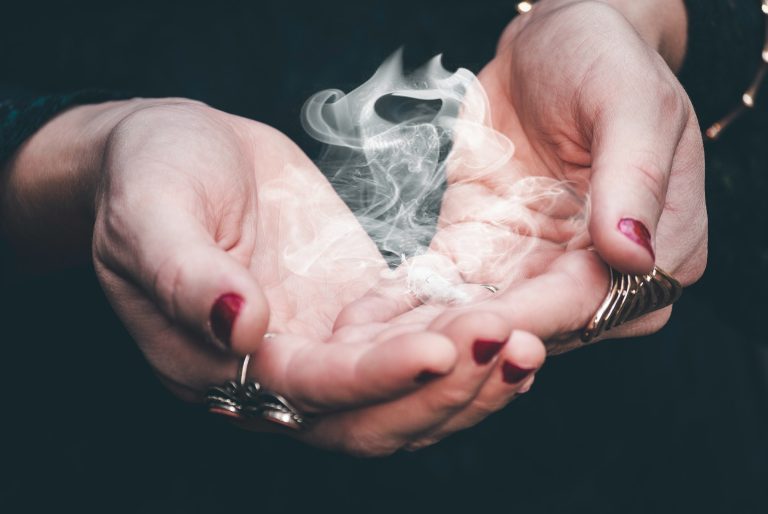
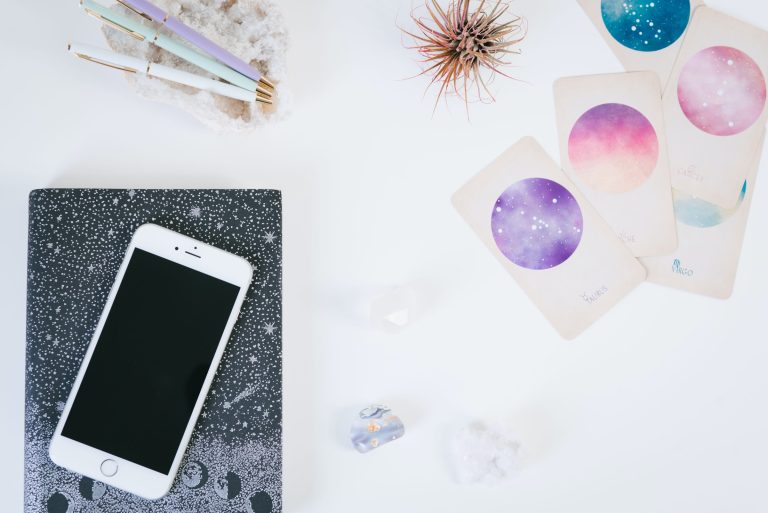
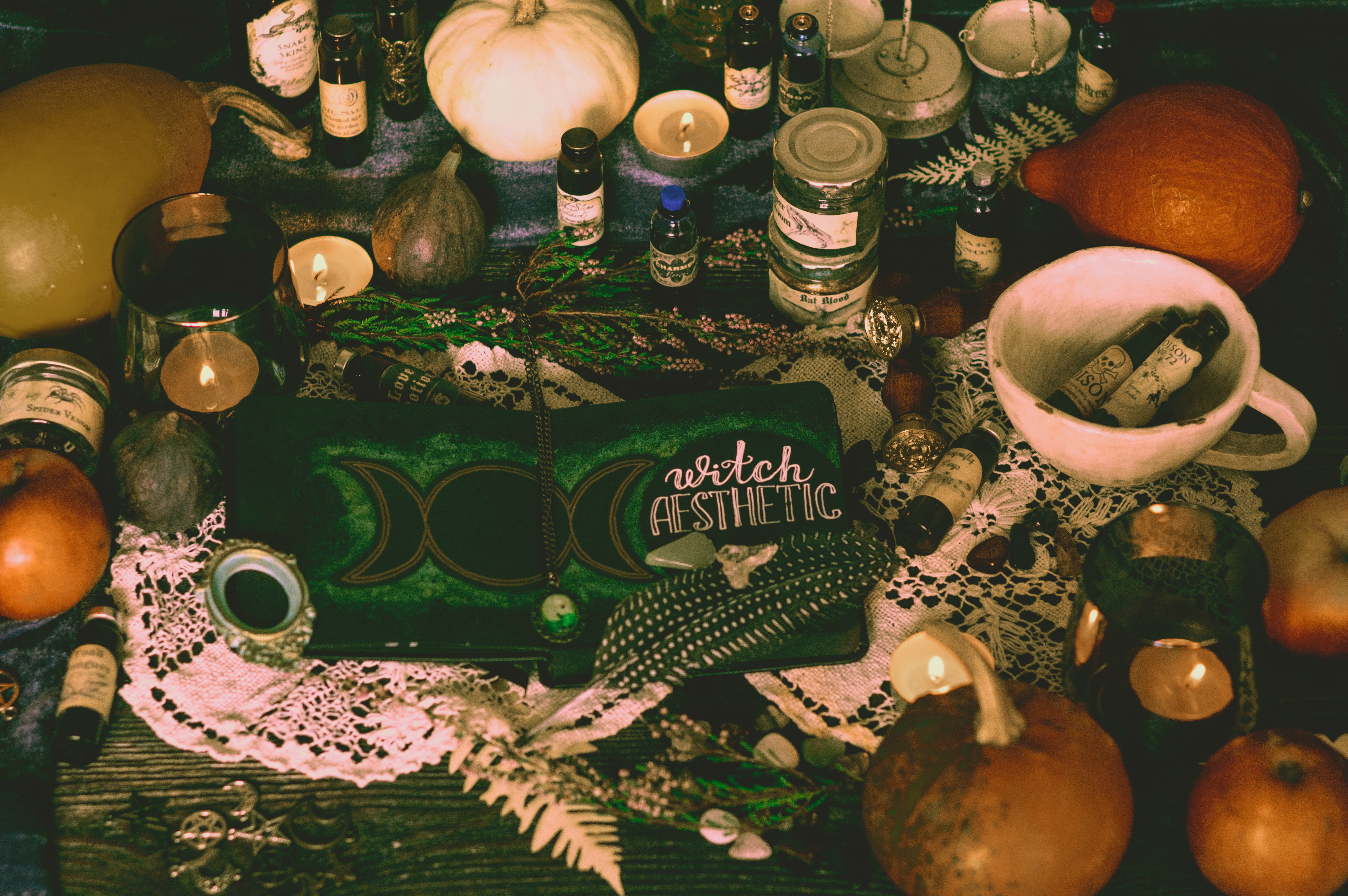
You know the one. The perfectly arranged altar with the right crystals in the right colours, the antique-looking grimoire open to a hand-lettered page, the dried herbs hanging in artful bundles, the hands with the rings and the nail art holding a tarot card at precisely the right angle for the light. The overall effect is beautiful, genuinely, I am not immune to it. But it communicates something that I think is worth naming directly.
It communicates that this is what a witch looks like. And by implication: if you do not look like this, if your practice does not produce images like this, you are doing something else.
You are not.
What the aesthetic is doing
To be fair to it, the aesthetic is not nothing. Visual culture around a practice serves real purposes. It signals community, creates belonging, and gives people a shared language of symbols and objects. When you see someone else’s altar that looks like yours, there is a genuine recognition (you too) that has value.
The problem is not the aesthetic itself. The problem is when the aesthetic becomes the measure of the practice. When the question stops being is this working for me and starts being does this look like witchcraft? When people spend more energy on the arrangement of their altar than on what they actually do there. When the performance of the practice replaces the practice itself.
I have done this. I want to be honest about that. There was a phase (several years into my practice) when I was more invested in having the right things than in using what I had. When I bought herbs, I didn’t know how to work with them because they looked beautiful in the jar. When I spent longer setting up a ritual than I spent in it. When, if I am honest, I was performing witchcraft more than I was practising it.
It took me an embarrassingly long time to notice the difference. And what made me notice was something very simple: the elaborate version was not changing anything. The carefully arranged, photographically coherent version of my practice was producing nothing; not the quiet groundedness I had felt in earlier, simpler years, nor the sense of alignment and self-knowledge that had drawn me to the craft in the first place. It was beautiful, and it was hollow.
What seven years has actually changed
When I think about what consistent practice has genuinely changed in me (not the dramatic transformation version, the quiet, accumulative, barely-noticeable-until-you-look-back version) none of it has anything to do with how my altar looks.
I am less reactive than I used to be. Not unreactive, still very much a human being with feelings that arrive loud and uninvited, but there is more of a pause now between the feeling and the response. A small but significant space in which I can choose, rather than simply react. I did not build that space through elaborate ritual. I built it through years of a very simple daily practice of sitting still with myself for five minutes every morning, which is one of the least aesthetically compelling things I can imagine putting on Instagram.
I trust myself more. Not in the sense of arrogance or certainty, but in the sense of having clearer, more reliable access to what I actually think and feel and want, underneath the noise of what I am supposed to think and feel and want. Years of honest journaling did that. Years of asking, in ritual and out of it, what is actually true for me right now, and sitting with the answer even when it was inconvenient.
I am more at ease in the natural world than I used to be. More attuned to seasonal rhythms, more comforted by them, more genuinely interested in the particular quality of light on a Tuesday in late October versus a Tuesday in late March. The Wheel of the Year, worked with consistently and without pressure to observe it perfectly, has quietly reorganised my relationship with time. I move through the year differently than I did before I paid attention to it.
None of this photographs well. None of it requires a particular aesthetic. All of it required showing up, regularly and imperfectly, in whatever form was actually available to me on any given day.
What I want you to know
If the witchcraft aesthetic makes you feel welcome, if it gives you joy, if it is an expression of something genuine in you, that is entirely valid, and I am not here to take it from you. Beauty in practice is real and meaningful and worth having.
But if it makes you feel like you are not enough, if you look at the images and feel the quiet discouragement of someone who does not own the right things or live in the right kind of space or have the kind of life that produces that quality of photograph, I want to say this clearly:
The practice that changes your life is not the beautiful one. It is the consistent one. The one that happens in the unglamorous five minutes before the rest of the house wakes up. The one that looks like a cheap candle on a kitchen table and three lines written in a notebook that nobody will ever see. The one that has been going long enough that you can look back and notice, quietly, that you are different than you were.
That version of practice is not a lesser version. It is not the budget version, or the beginner version, or the version you do until you can afford the real one.
It is the real one.
The aesthetic, at its best, points toward the practice. The practice is the thing itself. And the thing itself does not need to look like anything except whatever is honest and sustainable and genuinely yours.